
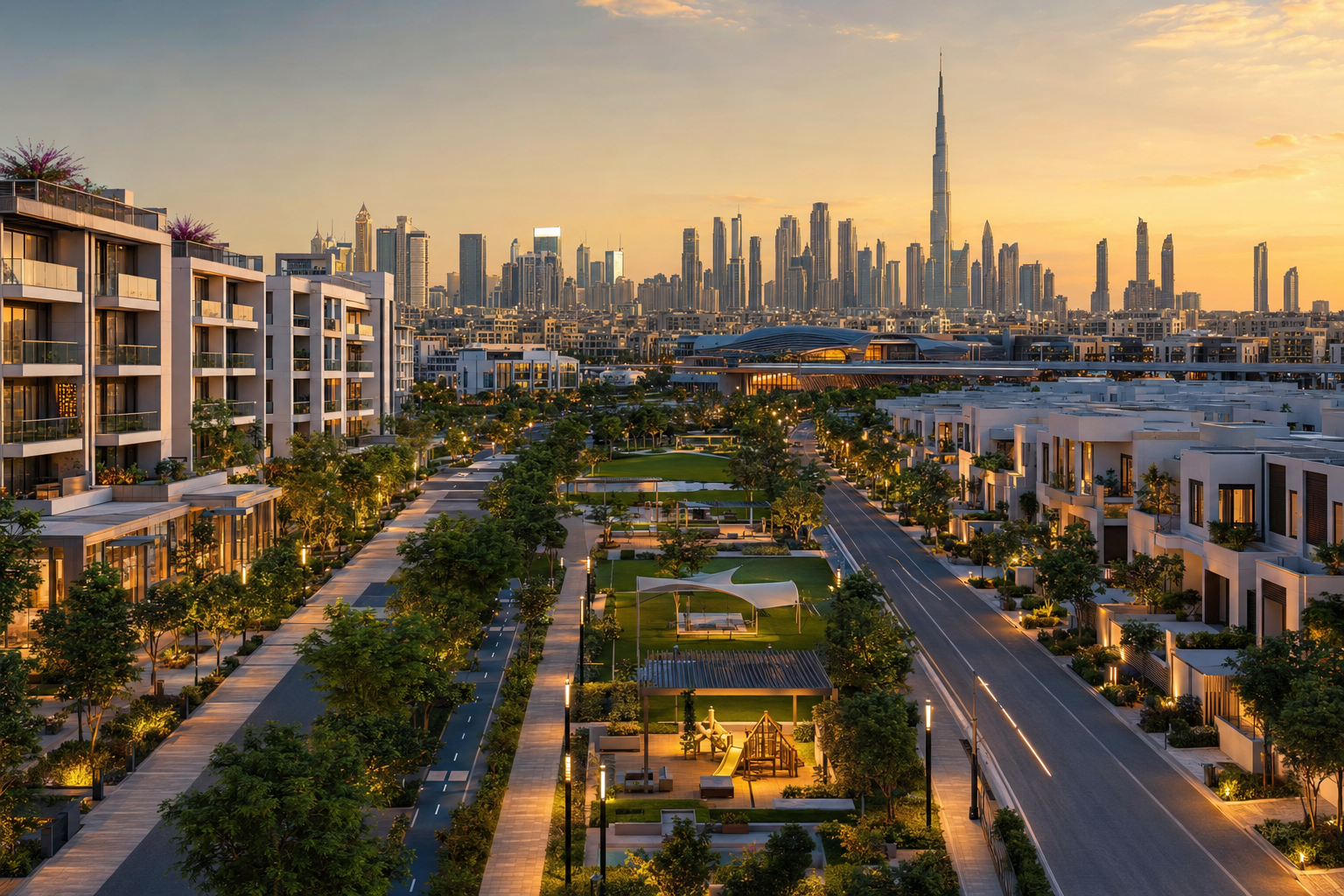
The Dubai market is gradually shifting from purely investment-driven demand toward long-term home ownership.
A new trend is becoming increasingly apparent in Dubai's real estate market: more buyers are purchasing apartments, townhouses, and villas not just as investment assets, but as primary residences for long-term living.
While investment demand remains high, the buyer profile is becoming more diverse. When choosing a property, people are increasingly evaluating not only potential returns or resale value, but also neighborhood quality, transport accessibility, infrastructure, and everyday comfort.
This trend is supported by Dubai's population growth, an increase in the number of long-term residents, and government programs aimed at making home ownership more accessible.
Buyers are increasingly planning to live in Dubai for many years.
A significant portion of this new demand is driven by expats, entrepreneurs, professionals, and families who have already lived in the UAE for several years and now view the emirate as their permanent home.
For these buyers, purchasing property is the natural next step after a period of renting.
While decisions were previously often based on expected yields, capital appreciation, or investment horizons, the focus today is increasingly shifting toward the practical features of the home.
Buyers are analyzing:
- neighborhood convenience for daily life;
- proximity to schools and kindergartens;
- commute times to work and business hubs;
- availability of shops, restaurants, and medical facilities;
- public and green spaces;
- pedestrian infrastructure;
- the quality of the residential community itself.
This is gradually changing requirements for both new developments and established neighborhoods across Dubai.
The First-Time Home Buyer program supports the transition from renting to owning.
One of the factors driving the primary residence segment is the government's First-Time Home Buyer program, which is aimed at those purchasing property in Dubai for the first time.
According to the Dubai Land Department, more than 3,200 people purchased property worth over 5 billion dirhams during the first year of the initiative.
The program reflects Dubai's commitment to expanding long-term homeownership opportunities for residents and creating conditions that allow tenants to gradually transition into property owners.
This is significant for the market, as a growing share of owner-occupiers fosters more stable domestic demand that is less susceptible to short-term investment cycles.
The quality of the neighborhood is becoming just as important as the features of the apartment itself.
As the market matures, buyers are becoming more selective.
High-quality property alone is no longer always a sufficient selling point. What lies beyond the walls of an apartment or villa is increasingly important.
Modern buyers want to know how comfortable a neighborhood will be to live in five, ten, or more years from now.
Communities that combine the following are in particularly high demand:
- residential projects;
- shops and restaurants;
- schools;
- sports facilities;
- parks;
- walking paths;
- public spaces;
- convenient transport infrastructure.
Such an environment allows most daily needs to be met close to home, reducing the need for long commutes across the city.
Walkability is becoming a competitive advantage.
One of the most notable shifts in buyer preferences is an increased focus on walkability.
Neighborhoods where residents can safely walk to shops, cafes, parks, sports facilities, and public transport are perceived as more convenient for long-term living.
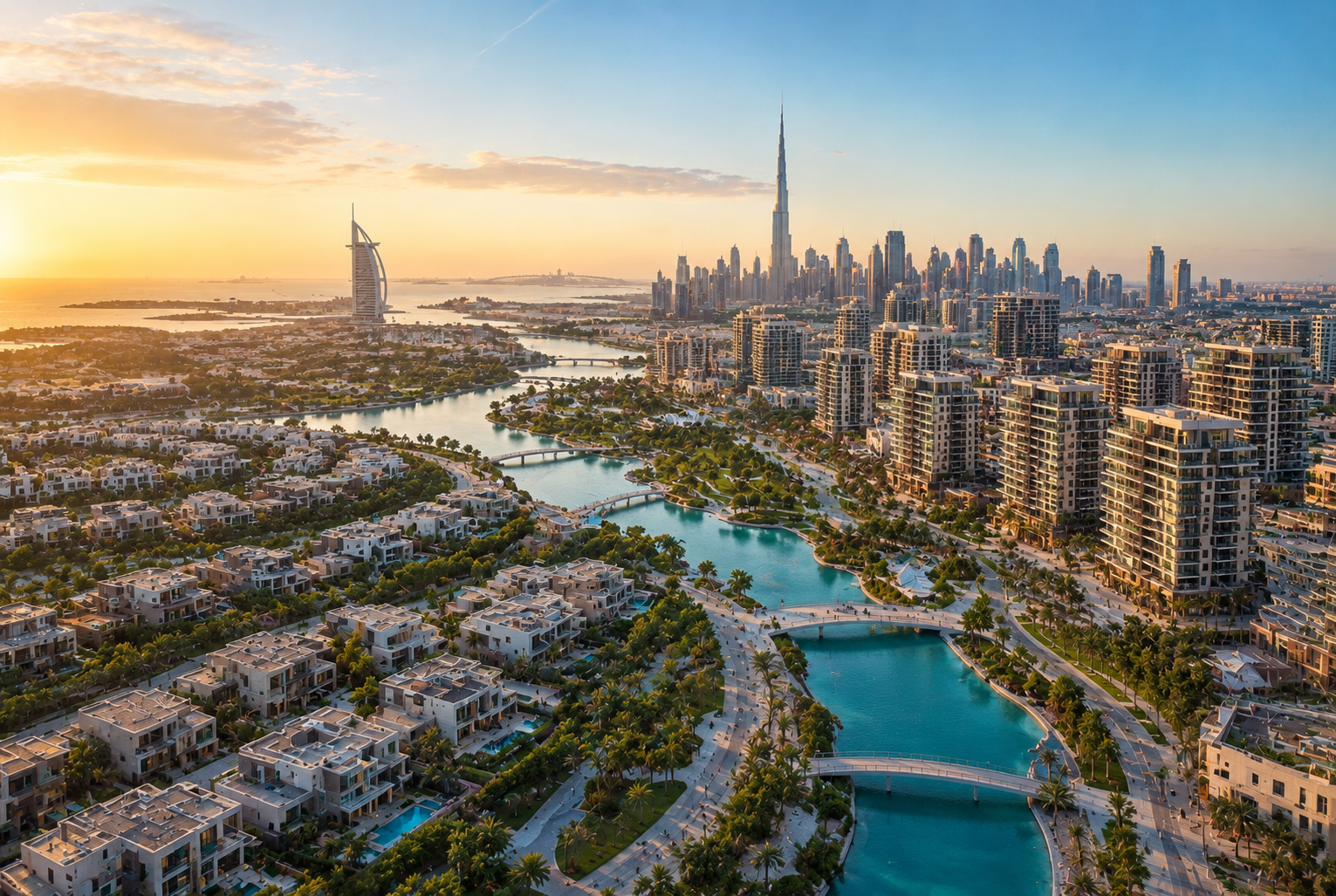
This aligns with Dubai's broader development strategy, which focuses on creating interconnected urban communities, expanding cycling and pedestrian infrastructure, and enhancing the quality of public spaces.
For families and long-term residents, these features may prove more important than individual premium elements of the building itself.
Family buyers are paying more attention to social infrastructure
The growing demand for owner-occupied real estate is noticeably shifting the requirements of family buyers.
For families with children, key criteria include schools, preschools, medical centers, parks, and safe public spaces.
As a result, master-planned communities with comprehensive infrastructure may have a distinct advantage over standalone residential buildings.
Buyers are no longer just evaluating the price per square foot, but the entire lifestyle that a specific location offers.
Entrepreneurs and professionals are also shifting from renting to buying
Long-term residency in the UAE is becoming increasingly common among entrepreneurs and skilled professionals.
Many start by renting property while developing their careers or businesses, and after a few years, begin considering purchasing a home of their own.
For this audience, buying can solve several problems at once:
- reducing dependence on rising rental rates;
- establishing a permanent base for the family;
- building personal equity;
- putting down roots in a chosen neighborhood;
- long-term financial planning.
Therefore, demand from end-users is likely to gradually increase the share of transactions in established residential areas.
What shifting demand means for investors
The rise in owner-occupier buyers does not diminish the market's investment appeal. On the contrary, it can make demand more balanced.
For investors, a key indicator is the presence of a genuine end-user audience willing to live in an area regardless of short-term market fluctuations.
Locations with strong demand from homeowners and long-term tenants are better able to maintain liquidity due to the consistent need for housing.
When analyzing a property, consider the following:
- the proportion of completed infrastructure;
- the availability of schools and medical facilities;
- transport accessibility;
- pedestrian-friendly environment;
- the quality of public spaces;
- the structure of future supply;
- the area's appeal to families and professionals.
For flippers, project quality is becoming even more critical
Buyers planning to resell a property in a few years must also account for shifts in demand patterns.
As end-users become more demanding regarding infrastructure and urban quality, projects with strong community concepts are likely to attract a broader audience on the secondary market.
At the same time, overall growth in Dubai real estate no longer guarantees uniform performance across all properties.
The gap between high-quality projects in established communities and less successful developments is likely to widen.
Dubai's real estate market is maturing
The rise in buyers purchasing homes for personal use is a clear sign of the market's gradual maturation.
Dubai real estate is increasingly viewed not just as an investment vehicle, but as a foundation for long-term living.
Buyers are carefully evaluating neighborhoods, infrastructure, project quality, and the area's development prospects. This raises the bar for developers while simultaneously fostering the creation of more complete residential communities.
What this means for long-term property value
In the long run, the most resilient projects will likely be those that offer not just high-quality real estate, but also a comfortable environment for daily life.
Of particular importance will be:
- well-developed transport infrastructure;
- high-quality public spaces;
- access to schools and healthcare;
- shops and restaurants;
- sports facilities;
- green spaces;
- walkability.
These features help sustain demand from owners, tenants, and investors alike.
Dubai is strengthening its position as a city for long-term living
Shifting buyer behavior shows that more residents now view Dubai not just as a temporary place to work, but as a city where they want to establish a permanent home, grow their businesses, and raise their families.
Government initiatives supporting first-time homebuyers, infrastructure development, and the emergence of fully integrated residential communities are accelerating this trend.
For the real estate market, this means a gradual increase in fundamental demand from end-users, which could become a key factor in its long-term stability.

.png)
.avif)