
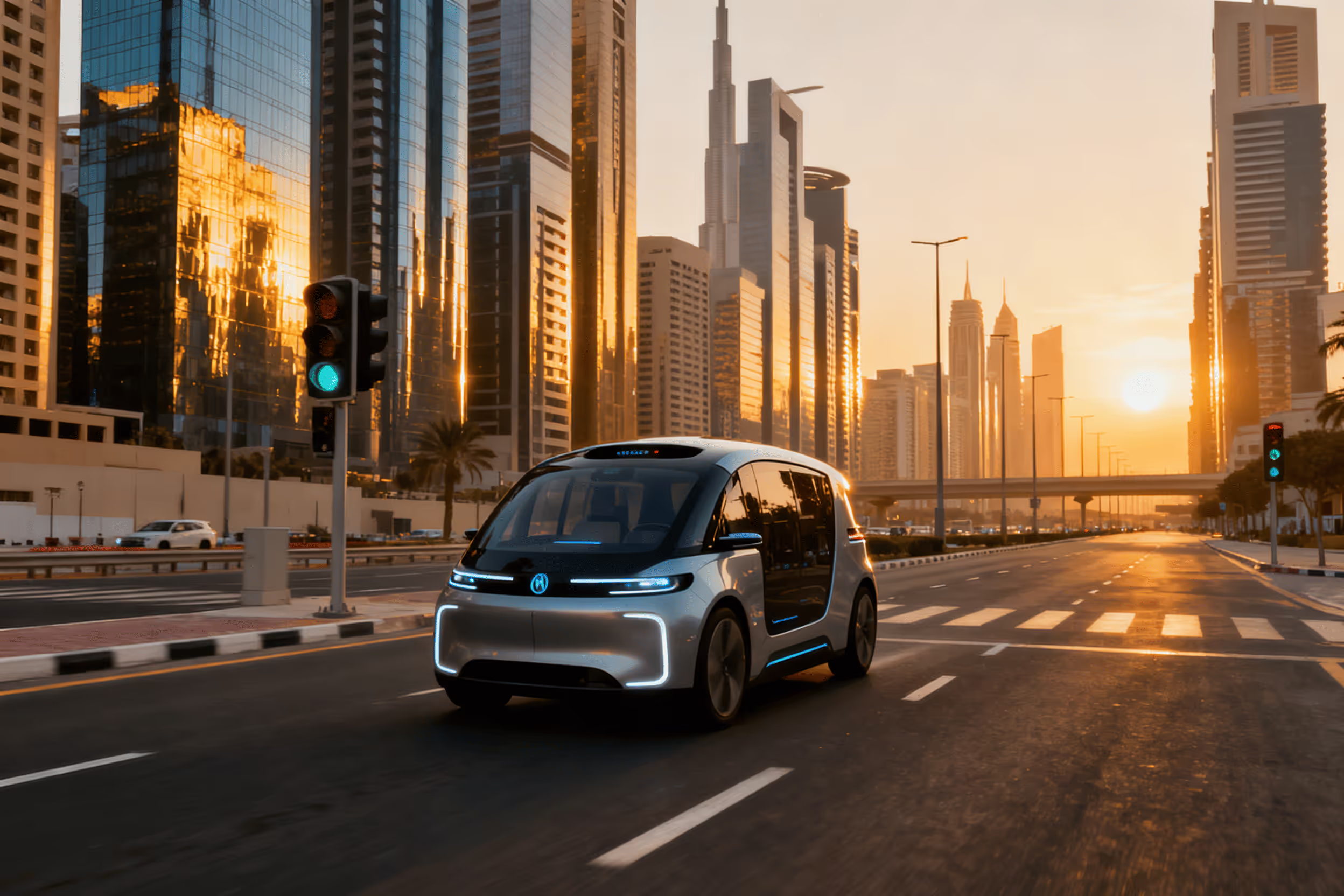
Dubai has launched the first fully autonomous RT6 taxis as part of its smart transportation strategy. The service is scheduled to be publicly launched in 2026, and in the future it is planned to increase the fleet to 1,000 vehicles.
Why this is important for the city
Autonomous taxis:
- increase the transport accessibility of districts;
- reduce dependence on a private car;
- reduce the load on road infrastructure;
- support the sustainable development strategy;
- strengthen Dubai's position as a technology hub.
The impact on the real estate market
The development of unmanned vehicles may have an impact on:
- the attractiveness of remote areas;
- growing interest in new master-planned communities;
- increasing the value of real estate in areas with improved mobility;
- development of the car-lite communities format.
Historically, the introduction of new transport infrastructure in Dubai has often been accompanied by higher prices in relevant locations.
Infrastructure and scaling
Opening of an autonomous vehicle control center in Dubai Science Park emphasizes the long-term nature of the project. The rapid implementation — just 10 months from negotiations to launch — demonstrates the city's readiness to introduce future technologies.
Strategic context
The project is in line with Dubai's goals of creating a smart, sustainable and technologically advanced urban environment. Combined with the development of the subway, railway and coastal transport, autonomous taxis are strengthening the emirate's multi-layered transport model.
Conclusion
The launch of autonomous taxis is not just a technological innovation, but part of the systemic transformation of urban mobility. For the real estate market, this means further improving the quality of the urban environment and increasing Dubai's investment attractiveness.


.avif)