
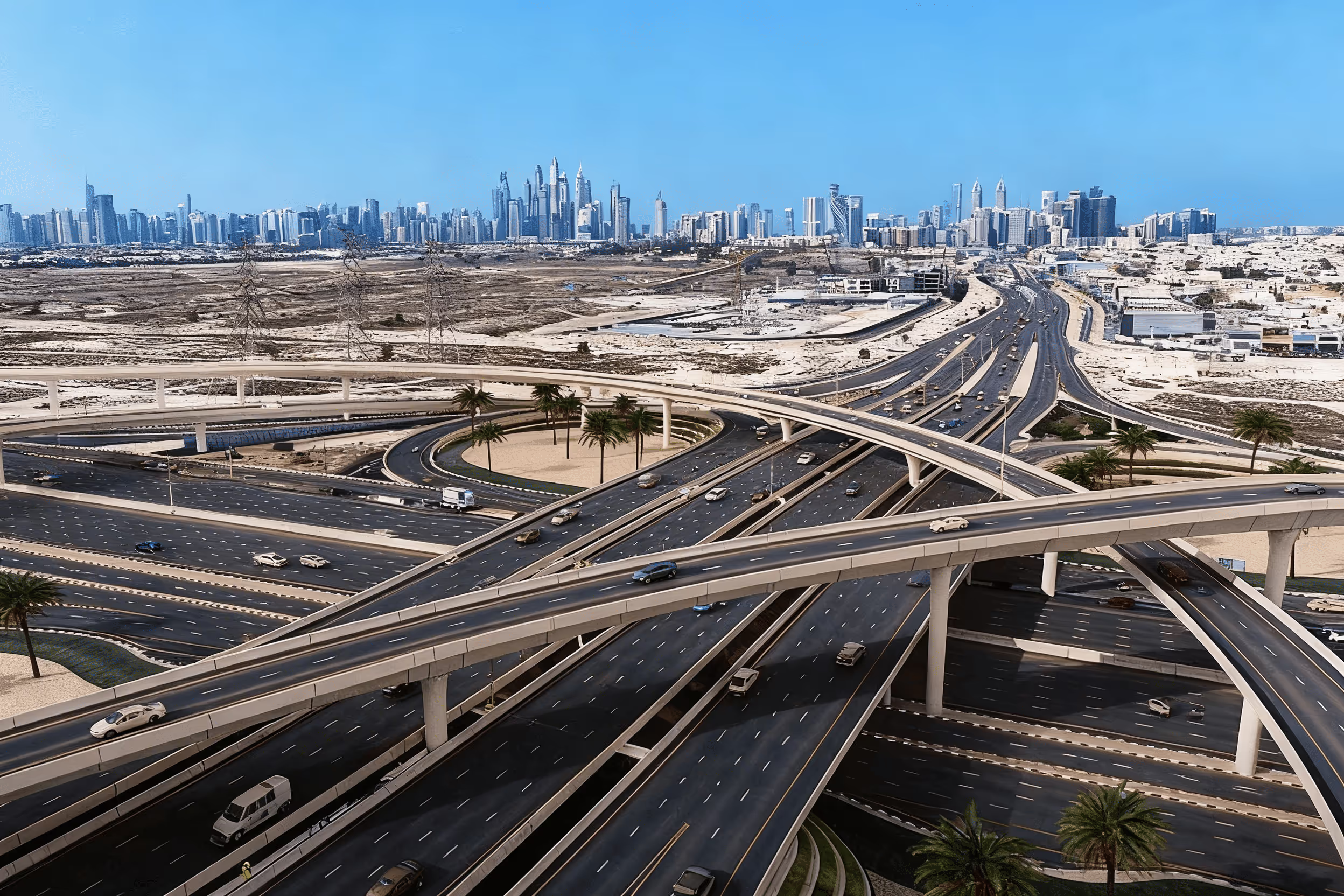
Dubai continues to upgrade its transport infrastructure on a large scale. The second phase of Hessa Street's development will reduce travel time from 24 to 5 minutes on the key section between Al Khail Road and E311.
The project covers 10 residential areas and will improve transport accessibility for about 650,000 residents.
Which districts benefit
Modernization directly affects:
- Jumeirah Village Circle (JVC);
- Al Barsha South;
- Arjan;
- Dubai Science Park;
- Dubai Hills;
- Motor City.
Shorter travel times and increased throughput traditionally increase the investment attractiveness of these locations.
The impact on the real estate market
Infrastructure projects of this magnitude usually result in:
- increasing demand for housing in adjacent areas;
- increasing the liquidity of facilities;
- strengthening rental rates;
- increasing interest in off-plan projects.
This is especially true for JVC et Dubai Hills, where residential complexes are already being actively developed.
Promoting sustainable mobility
The project also focuses on micromobility:
- more than 10 km of new bike paths;
- integration with the subway Dubai Internet City;
- improving first- and last-mile connectivity.
This is in line with Dubai's strategy to create a sustainable urban environment and support alternative modes of transport.
Long term effect
The reduction in travel time to 5 minutes between key highways reinforces Hessa Street's role as a strategic transport corridor. For investors, this means an improvement in the quality of life in the surrounding areas and an additional driver of property value growth.
Conclusion
The Hessa Street modernization project is another step towards creating a more connected and convenient city. Improved infrastructure strengthens the position of districts along the corridor and supports the long-term stability of Dubai's real estate market.


.png)

.avif)