
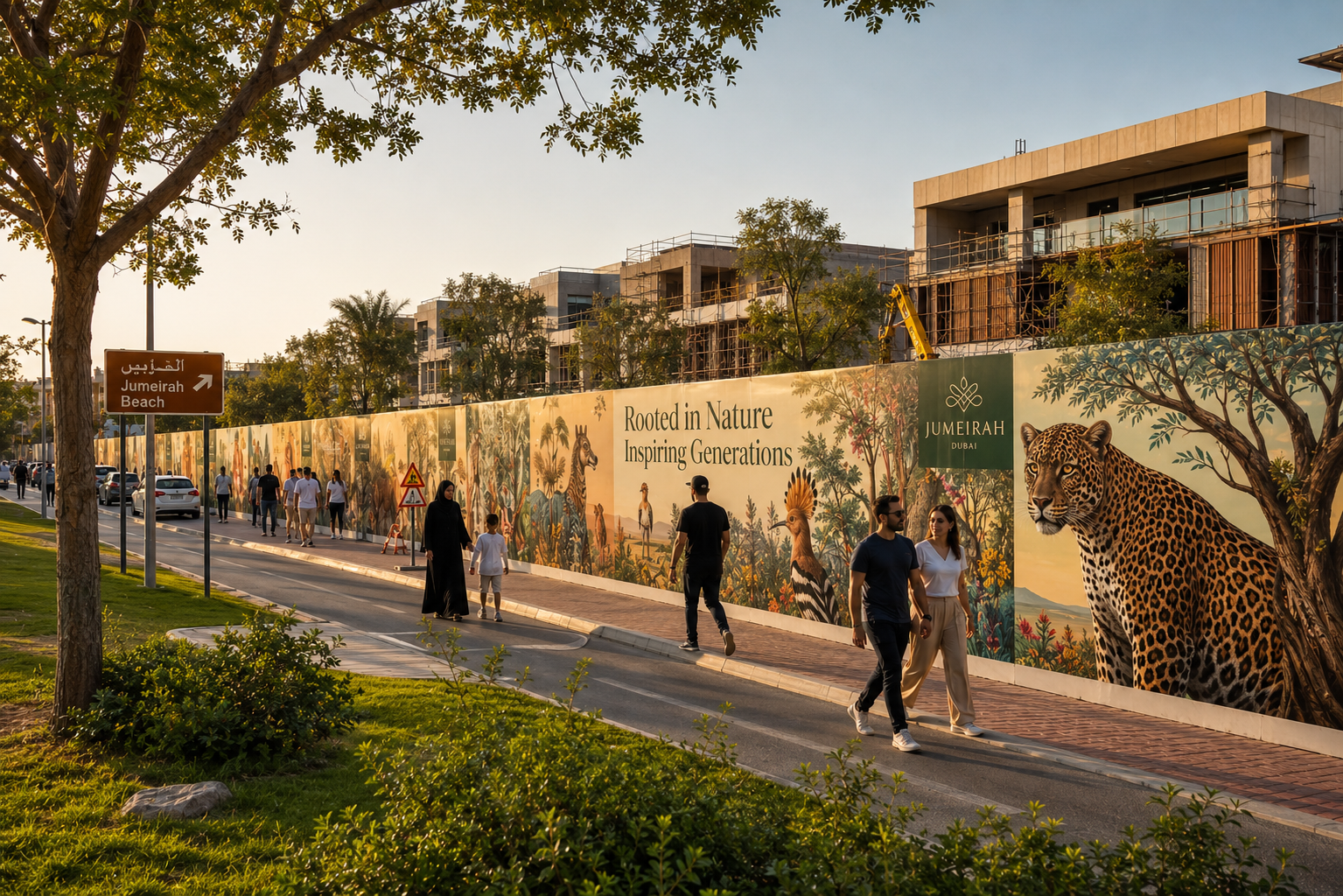
The former Dubai Zoo site is being transformed into a low-rise residential community with an emphasis on green spaces and public areas.
One of Old Dubai's most recognizable landmarks is beginning a new chapter in its history. The former Dubai Zoo site in Jumeirah will be transformed into a modern residential complex comprising 90 homes, surrounded by lush gardens and public spaces.
The project is being developed by investment company Shamal. While preparations for the new district's construction are underway, the site is already attracting public attention thanks to a large-scale art installation dedicated to the UAE's natural heritage.
A New Life for a Historic Location
The Dubai Zoo opened over half a century ago and for many years remained one of the emirate's most famous attractions. After its closure in 2017, all animals were relocated to Dubai Safari Park, and the site was given a new direction for development.
According to the developer's plans, the former zoo site will become a low-rise residential district that combines privacy, modern architecture, and a natural environment. The project concept envisions creating a comfortable living environment in one of Dubai's most prestigious areas.
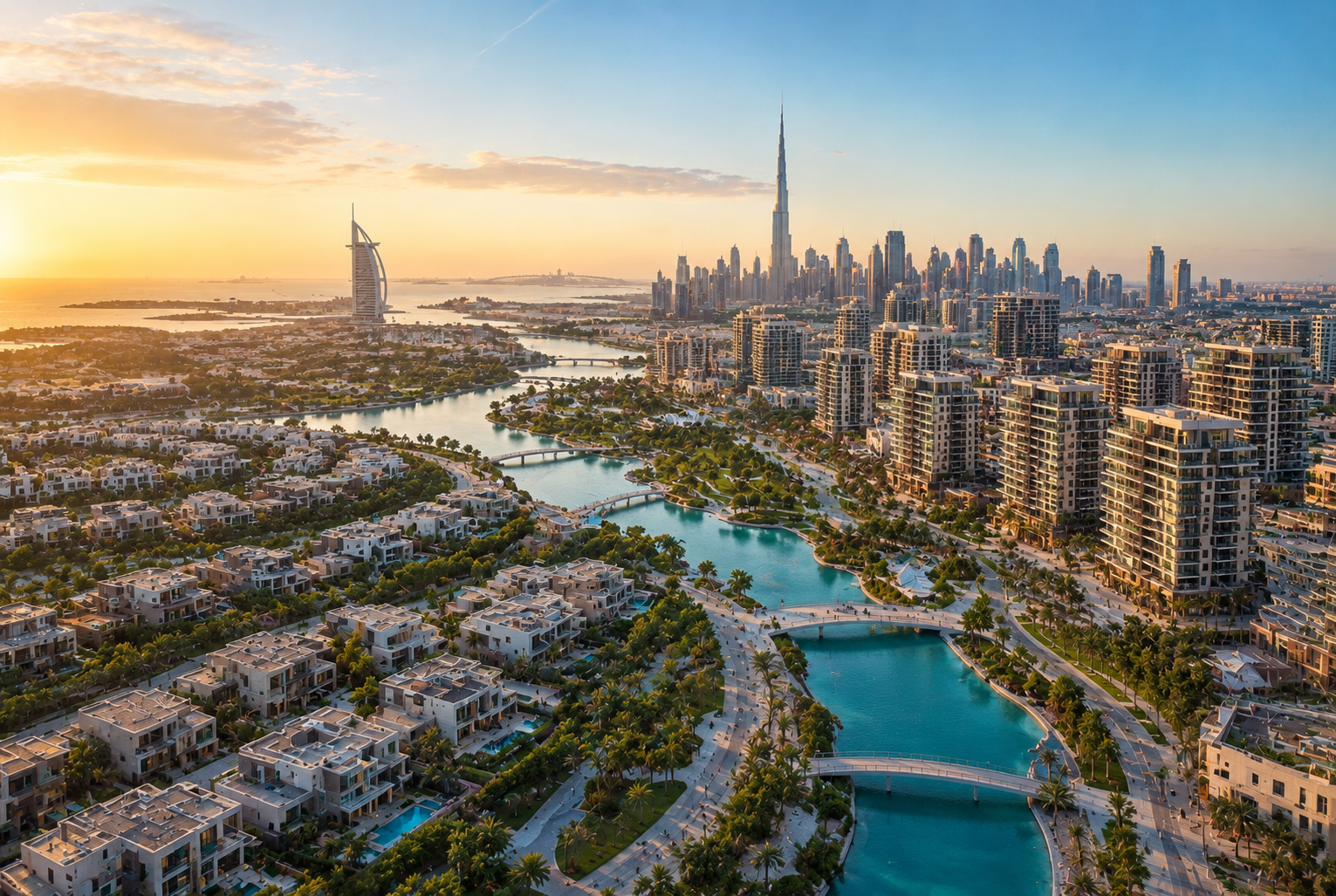
The future complex will be located in Jumeirah — an area traditionally considered one of the most sought-after addresses for living due to its proximity to the sea, developed infrastructure, and central location.
Art Marks the First Phase of the Site's Transformation
Before the active construction phase begins, the former zoo site has been transformed into the district's largest open-air art venue.
A large-scale installation called "Flora of Light," created by artist Solimar Miller, is displayed along the 710-meter perimeter of the construction site. The art project features twelve works dedicated to the flora and fauna of the UAE.
The artworks showcase iconic representatives of the country's natural heritage:
- Arabian leopard;
- hoopoe;
- ghaf tree;
- sidr tree;
- other animal and plant species characteristic of the region.
Each work depicts a specific time of day, making the entire series feel like a single visual journey through the natural landscapes of the Arabian Peninsula.
Preserving the Memory of Old Dubai
One of the project's main objectives is to preserve the historical memory of a place that held a special significance in the lives of the emirate's residents for decades.
According to the installation's creator, significant attention was paid to studying the history of the site and the natural environment that existed there even before the zoo itself was established.
The project evokes a time when Jumeirah was predominantly a natural landscape of sand dunes and native animal habitats.
Thus, the art installation serves as a unique bridge between the area's past and future.
Public Art as Part of the Urban Environment
The Flora of Light installation was created as part of the Dubai Public Art Strategy and is freely accessible to the public.
Located next to a public park, the installation allows thousands of residents and visitors to experience the artist's work daily while strolling through the neighborhood.
The project is also part of Shamal's Tamayoz program, which aims to integrate art and culture into new urban spaces.
According to the developer, public art helps preserve an area's identity and fosters an emotional connection between residents and their environment.
What the New Residential Complex Will Be Like
While details of the future project are still limited, the concept is known to include the construction of 90 residential homes surrounded by green courtyards and landscaped gardens.
The developer is focused on creating an intimate residential community with a high level of privacy and well-developed public infrastructure.
Special attention will be paid to the quality of public spaces, landscaping, and the harmonious blend of modern architecture with the area's historical context.
This approach aligns with modern trends in Dubai's residential real estate development, where comfortable urban environments, green spaces, and quality of life are becoming increasingly important.
Why the Project is Important for Dubai's Real Estate Market
The transformation of the former Dubai Zoo site underscores the ongoing development of the emirate's prestigious districts and developers' commitment to creating projects with unique histories and concepts.
For Jumeirah's real estate market, the new complex is of particular interest due to the limited availability of new development plots in this part of the city.
Projects in established, prestigious areas traditionally attract both end-users and investors focused on long-term asset value growth.
Furthermore, the combination of low-rise development, green spaces, and a central location meets the demands of buyers seeking a balance between privacy, comfort, and convenient access to urban infrastructure.
Prospects for Investors and Buyers
The development of a new residential community on the site of a historical landmark could become one of the most interesting projects in Dubai's premium real estate segment in the coming years.
The Jumeirah district is already considered one of the emirate's most sought-after locations due to its prime position, proximity to beaches, and well-developed social infrastructure.
The emergence of a new residential complex can further enhance the area's appeal and sustain high interest from buyers considering real estate in Dubai, both for personal residence and for investment.
Summary
The former Dubai Zoo site in Jumeirah is set for a major transformation. In place of one of Old Dubai's most famous landmarks, a modern low-rise residential complex will emerge, combining privacy, green spaces, and a high-quality urban environment.
While construction is just beginning, the project is already attracting attention thanks to the Flora of Light art installation, which helps preserve the memory of the site's history while simultaneously opening a new chapter in its development.

.png)
.avif)