
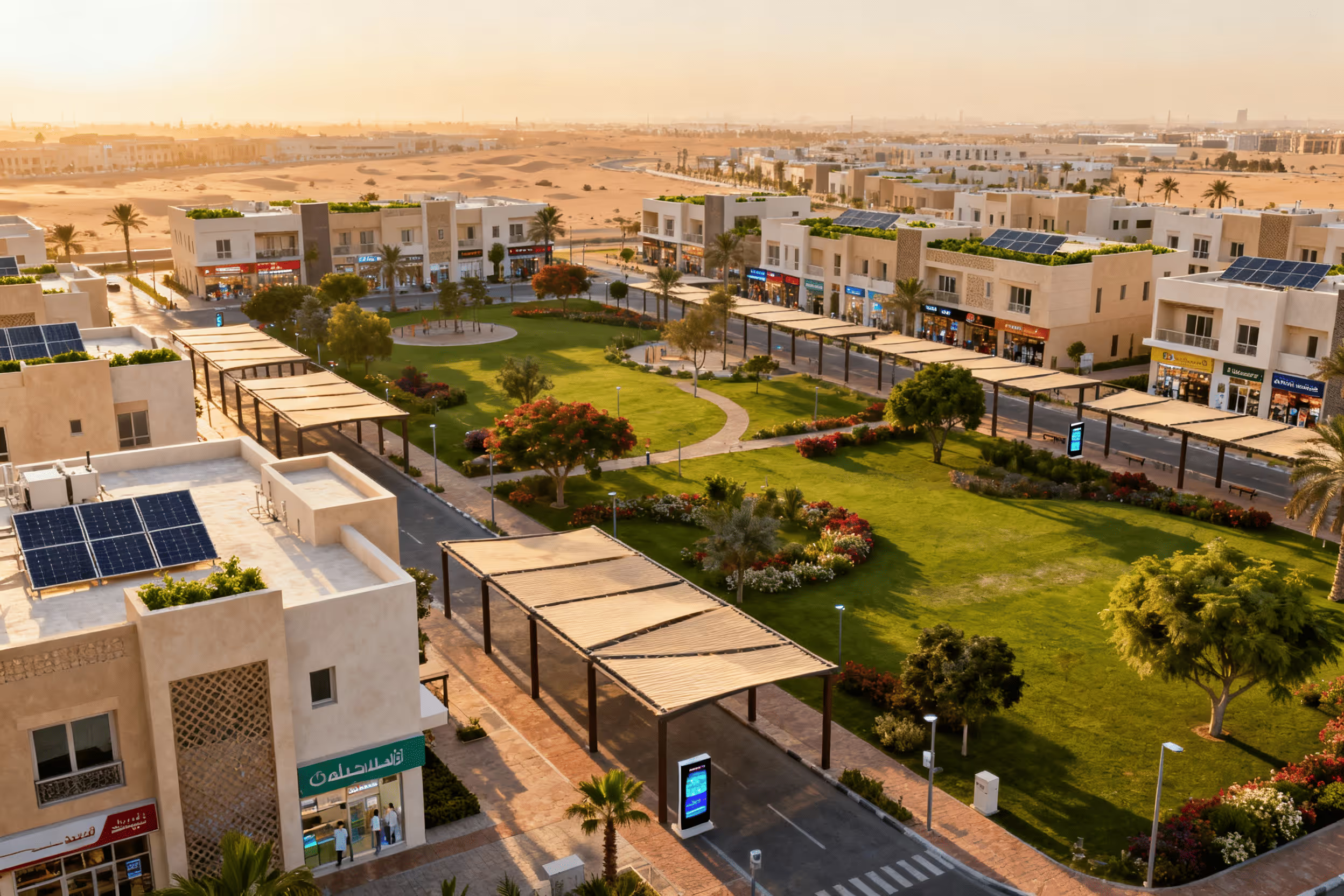
Dubai is taking another step towards shaping the city of the future. Approval of the concept 20-minute citymeans moving to a model in which housing, work, services and infrastructure are within walking or fast transport distance.
For the UAE real estate market, this is one of the most significant urban development signals in recent years.
What does the 20-minute city concept mean
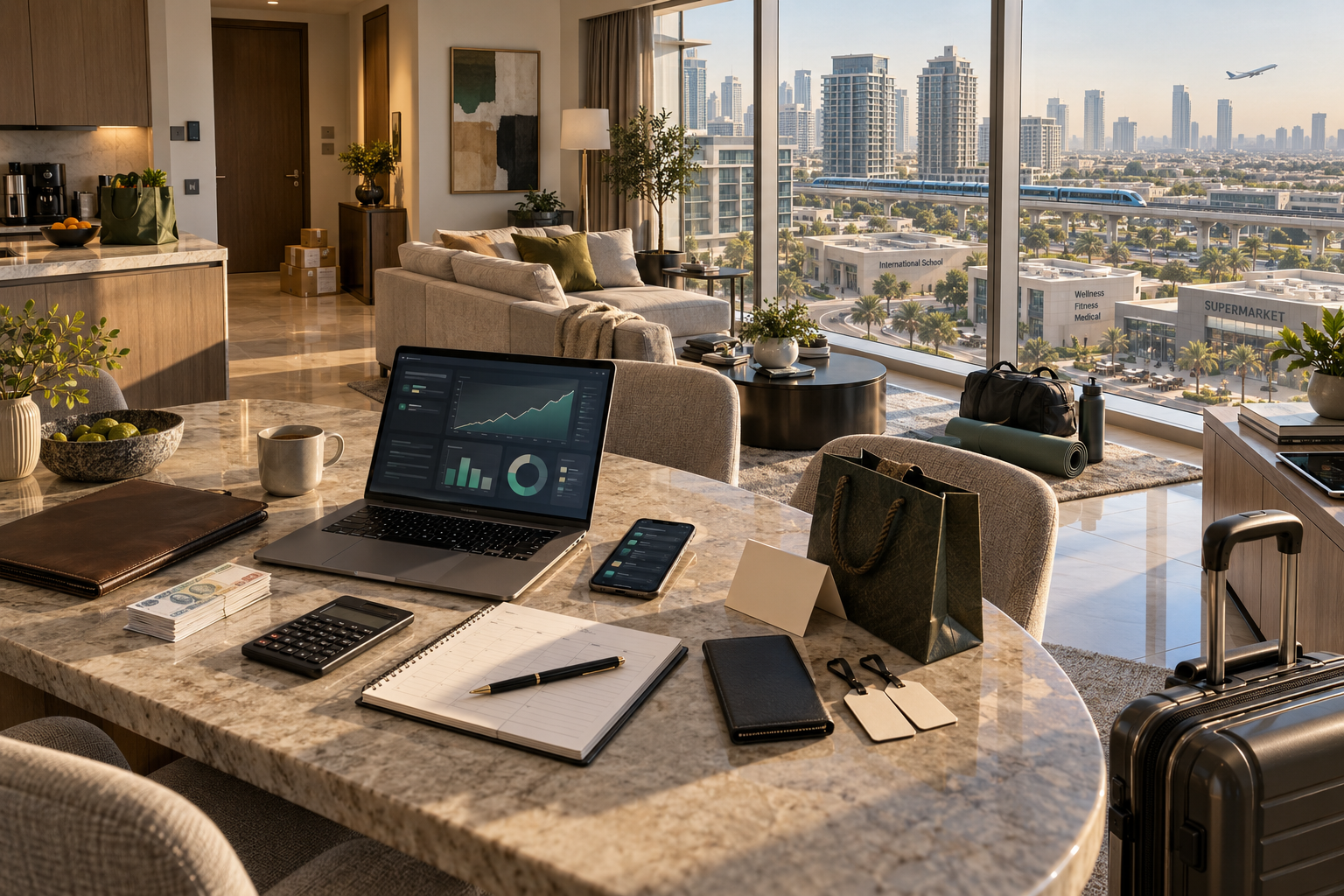
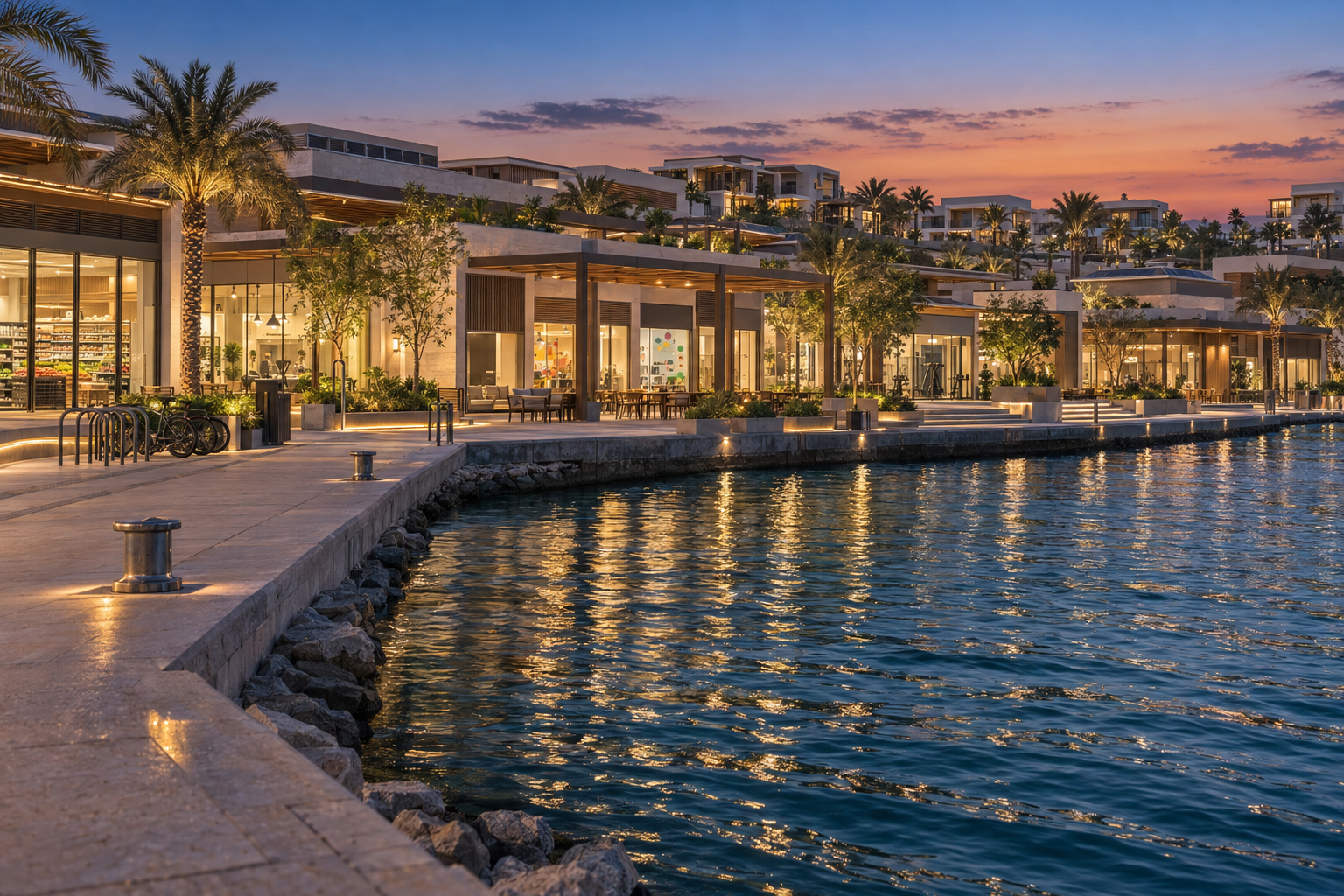
The essence of the initiative is that most of the daily needs of residents — education, medicine, shops, parks, sports and services — should be accessible within 20 minutes without the need for long car trips.
Key elements of the concept:
- pedestrian and bicycle access;
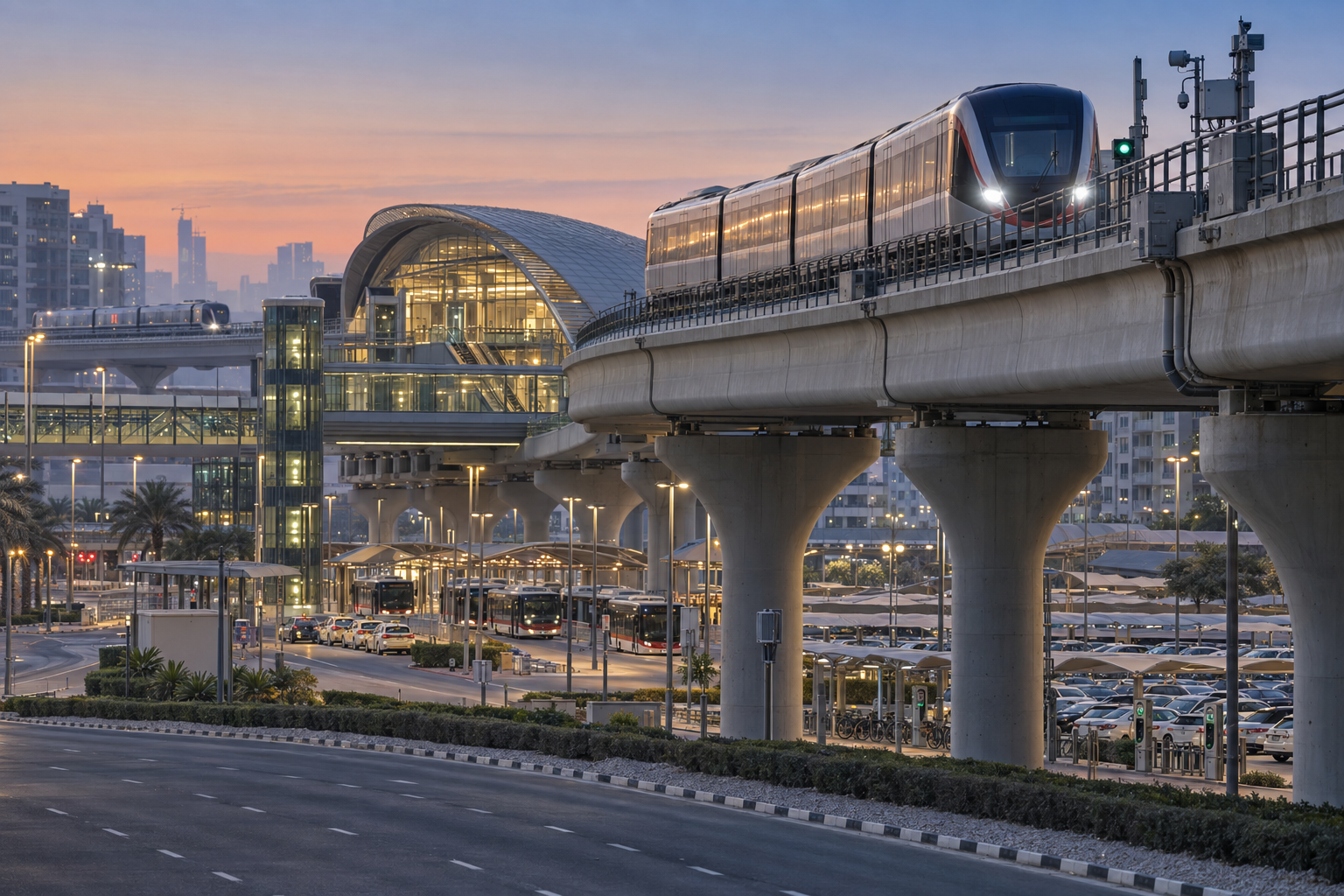
- sustainable modes of transport;
- green and shady public spaces;
- reducing traffic load;
- improving the quality of the urban environment.
A pilot project is already being implemented in the district Al Barsha 2, which makes it a reference point for future urban transformations.
Impact on property prices and demand
World practice shows that districts that comply with the principles of a “short distance city” demonstrate:
- increased demand from residents;
- higher housing liquidity;
- a steady increase in prices in the long term;
- interest from families and professionals.
In Dubai, the introduction of the 20-minute model could increase the appeal master-planned communities, mixed-use districts and residential projects with developed local infrastructure.
Communication with infrastructure, medicine and mobility
Projects approved in parallel — early diagnosis of diseases and decentralized check-in at airports — complement the concept of a 20-minute city.
They show that Dubai is moving towards a model where key services are distributed across the city rather than concentrated in one place. This reduces the load on transport, improves living comfort and makes certain areas more self-sufficient.
What this means for investors and buyers
For investors, the new strategy means the emergence of additional factors for increasing property values:
- districts with local infrastructure will benefit;
- projects near medical, educational and transport hubs will become more popular;
- residential complexes with a pedestrian environment and green areas will receive a price advantage.
For customers, this means a more convenient and sustainable way of life, where less time is spent on the road and more time on the quality of their everyday environment.
Conclusion: Dubai is moving towards a new model of urban development
The launch of the 20-minute city concept confirms that Dubai plans to develop not only through large-scale projects, but also through enhancements district-level living amenities.
For the real estate market, this is a long-term trend that will influence the planning of new projects, demand from residents and the investment attractiveness of individual locations.

.avif)